
“This is a day I’ve been looking forward to for two-and-a-half years,” said Apple co-founder and CEO Steve Jobs on stage at MacWorld on 9 January 2007. “Every once in a while, a revolutionary product comes along that changes everything […] Today, Apple is going to reinvent the phone.”
The launch of the iPhone was nothing short of an earthquake. It became an instant hit, selling 1 million devices in its first 74 days. While it wasn’t the very first smartphone, its arrival, coupled with the subsequent launch of the App Store, thrust music portability, streaming, and subscription models into absolute hyperdrive. Looking back from 2026, with over 3 billion iPhones sold historically, 2007 stands as the year global connectivity truly transformed into a borderless music distribution network.
Changing the rules of engagement
This digital network was supercharged by the rapid rollout of 3G mobile networks, with 190 systems live across 40 countries by the end of 2007. Mobile was fast becoming the definitive device for music consumption, prompting handset giants like Nokia to debut device-bundled subscription services by the end of the year.
Simultaneously, an artist-centric revolution was brewing. Out of contract with their major label, Radiohead bypassed traditional distribution entirely to release In Rainbows on their own terms, letting fans name their own price for the digital download. Suddenly, even the world’s biggest acts were viewing the internet as a tool for ultimate independence. Meanwhile, in August, Deezer launched in France, accelerating a massive consumer shift from owning music to simply accessing it.
Preparing for take-off
With the digital ecosystem finding its footing, Believe set its sights beyond France. In 2007, the company secured a crucial round of funding that would kickstart its ambitious expansion and development strategy across the European continent, alongside launching its very first web tools tailored for artists and labels. Building on her domestic momentum from the previous year, singer Soko became the first Believe-distributed artist to break into the international European charts.
While this foundational funding poured in during 2007 to spark the company’s international acceleration, it immediately set the gears in motion for the major structural acquisitions that would follow on the ground.
“We made our first acquisition in Germany,” says Denis Ladegaillerie, the founder and CEO of Believe. “We moved internationally right away because the realisation was that you had economies of scale. The big international acceleration started in the autumn of 2007.”
Disrupting the value chain
What we wanted to do was to disrupt the value chain, to bring more clarity, more transparency, to change the value sharing with the artist community, to embrace digital faster. It was about how we could support the artists to navigate things in a fast-changing world
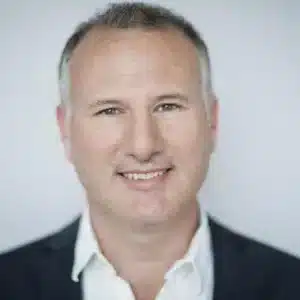
Romain Vivien
Global Head of Music and President Europe, Believe
Though Romain Vivien wouldn’t officially join Believe until 2008 after a 13-year tenure at Virgin-EMI in France, he was already watching the market shift, keenly aware of how Believe was positioning itself to ride the digital crest.
“I was coming from the music business, perfectly knowing the artist community, their needs, and the needs of change,” says Romain Vivien, Believe’s Global Head of Music. “What we wanted to do was to disrupt the value chain, to bring more clarity, more transparency, to change the value sharing with the artist community, to embrace digital faster. It was about how we could support the artists to navigate things in a fast-changing world where digital was about to shift pretty much everything, from content creation, to marketing promotion, to direct-to-fans, to access to data, to being able to expand faster globally, to reach global audiences, to better understand what was happening with content.”
Vivien saw Believe as an entrepreneurial ecosystem designed to offer artists total transparency regarding their catalogue and earnings. As the company expanded its operations, Believe’s international ambitions perfectly matched the global horizons of the independent artists they represented.
Borderless landscapes
This philosophical shift marked the true line of demarcation between the old music business and the new one. The legacy majors initially viewed the smartphone boom just as a new digital pipeline to market their existing, centralised global superstars. They understood a globalised market primarily as a means of exporting the same few Anglo-American pop hits to ever wider audiences.
Believe’s thesis was the exact opposite. They recognised that placing a digital record store into the pocket of every consumer would actually trigger a massive explosion of local, decentralised music communities. The internet wasn’t going to homogenise global taste; it was going to liberate local and regional artists who had previously been entirely shut out by the crushing costs of physical international distribution.
By marrying their fresh 2007 capital injection with this forward-facing philosophy, Believe set out to build a completely new architecture for the industry. The goal was no longer to localize a global product, but to develop local talent for local audiences first, while giving artists immediate and transparent access to opportunities beyond their home markets when relevant.
As the year drew to a close, the infrastructure was locked in, the mobile revolution was in full swing, and the stage was set for an era of unprecedented artist empowerment.
——————
Article written by Eamonn Forde. Eamonn Forde is an award-winning music business journalist and author. He writes for The Guardian, Forbes; Music Week, and Music Business Worldwide and several other publications.