
By 2011, the digital music landscape wasn’t just growing, it was accelerating. Global digital sales jumped to $5.2 billion, accounting for nearly a third (31%) of the entire recorded music business. The digital realm was expanding so rapidly that it was on the verge of completely offsetting the structural losses of the dying physical market.
The turning point for consumer culture arrived in March 2011, when Spotify announced it had cleared 1 million paying subscribers across its first seven European markets, boasting over 6.6 million active users overall. Streaming was officially mainstream.
For Believe, this monumental shift meant their original identity had to evolve. Providing basic access – which means acting as the digital “pipe” to drop files onto online storefronts – was no longer enough. To survive and lead, Believe had to pivot from offering simple marketplace entry to actively architecting long-term success. They needed to transform from a conduit into a deeply embedded creative partner.
Beyond the conduit
To kickstart this evolution ‘from access to success’, Believe made its first major structural move: launching Believe Recordings. By building a dedicated label layer right on top of its global distribution engine, the company could finally provide hands-on strategic muscle to independent talent.
For Believe’s founder and CEO, Denis Ladegaillerie, this wasn’t a random experiment; it was the next important milestone after DIY, toward building a full-stack music ecosystem where an independent creator could find everything they needed under one roof.
“We wanted to understand what artist development was so that we could better understand what our labels, those labels that we were distributing, were facing,” says Denis Ladegaillerie.
Push up the value chain
We needed to organise ourselves so that we could help and support these artists with much more than distribution, because otherwise we were going to lose them.
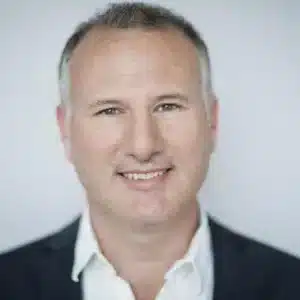
Romain Vivien
Global Head of Music & President, Europe
This full-stack vision perfectly aligned with the insights of Romain Vivien, who had joined Believe in 2008 as Managing Director for France. Bringing 13 years of traditional label expertise from Virgin-EMI, Vivien quickly noticed a pattern in his early conversations with independent acts. As these musicians began to scale, they hit a ceiling. They didn’t just want a digital postbox; they wanted a team to help them build a career.
“I went to see Denis”, Romain Vivien recalls. “I said that we needed to move up the value chain, and we needed to organise ourselves so that we could help and support these artists with much more than distribution, because otherwise we were going to lose them. They were going to go back to another partner to find that expertise and those services. And secondly, we were not going to be attractive to sign more artists, and bigger artists, who actually need more than distribution.“
While independent labels often had their own infrastructure and only needed Believe for raw distribution pipelines, direct-to-artist partnerships required an entirely different operational playbook
.”It’s different when we were working with labels, because some of them may only have needed distribution because they did the rest, he says. But when we went into an artist-direct business, they needed more services.“
Rewriting the marketing rulebook
Transitioning from a tech-enabled distribution pipe into an active development partner meant Believe had to become an educational force. Independent artists knew how to write songs, but navigating the volatile currents of early social media, digital-first audiences, and algorithmic platforms required a total psychological reset.
“At the time, it was a lot about education”, Romain Vivien explains. “For the artist and label community, you needed to explain to them what digital would change, how much they should spend on content creation, how much the digital audience needed to be promoted and marketed to in the digital space. So they needed to change the ways they were producing music, engaging and connecting with fans, using platforms, and spending their money in terms of marketing. All of this was very different to how they had worked before.“
Escaping the margin squeeze
This strategic shift wasn’t just a win for the artist community; it was a financial necessity for Believe. Raw digital distribution was rapidly becoming a commoditised, low-margin numbers game. By layering specialised talent, A&R support, and customised services on top of their tech stack, Believe could unlock far healthier margins and create sustained corporate value.
“Distribution is a very tough business to be in, notably in terms of margin”, Romain Vivien says. “So in Artist Services and in changing our contracts, we were also able to provide more expertise, more services, more people. This would mean more long-term value creation”.
The thesis proved itself almost instantly. The first two marquee acts signed to Believe Recordings, independent rap trailblazer Youssoupha and indie-folk standout James Vincent McMorrow, were the exact same artists who had pushed Vivien for deeper career backing. A year after the launch of Believe Recordings, they were platinum artists.
The centralized global engine
[What] we did it was quite different from the majors […] We had central people dedicated to distribution and different people dedicated to Artist Services. [..] We had local A&Rs connecting with the artists, building trust and developing locally but all within a central framework.
Romain Vivien
Global Head of Music & President, Europe
Just as they had done with distribution, Believe used France as the ultimate corporate testbed for its artist services. Once the operational framework proved it could turn independent artists into platinum sellers, Believe began systematically exporting the model across its growing international network.
The secret lay in their structural approach: rather than replicating largely autonomous local operations in each new market, Believe developed a model that combined centralised technology and shared operational capabilities with local artist development teams.
“The way we did it was quite different from the majors,” notes Romain Vivien. “That’s a very important piece of the success, the approach and the vision here. We decided to do it by first building a central platform. We had central people dedicated to distribution and different people dedicated to Artist Services. We then exported it locally. We had local A&Rs connecting with the artists, building trust and developing locally – but all within a central framework. Starting in 2011, we built that out into two or three markets every single year.“
By combining centralised digital power with localized A&R expertise and extending its role beyond distribution, Believe redefined its place in the music ecosystem – not simply as a gateway to digital platforms, but as a long-term partner in artist development – and ensured that “access to success” wasn’t just a catchphrase: it was a scalable, international engine.
Explore this interview with Denis Ladegaillerie and Romain Vivien on the Global Rise of Believe to learn more about how they expanded the company’s business model from simple distribution channels to full-scale artist partnerships.
——————
Article written by Eamonn Forde. Eamonn Forde is an award-winning music business journalist and author. He writes for The Guardian, Forbes; Music Week, and Music Business Worldwide and several other publications.